
Lineage Logistics
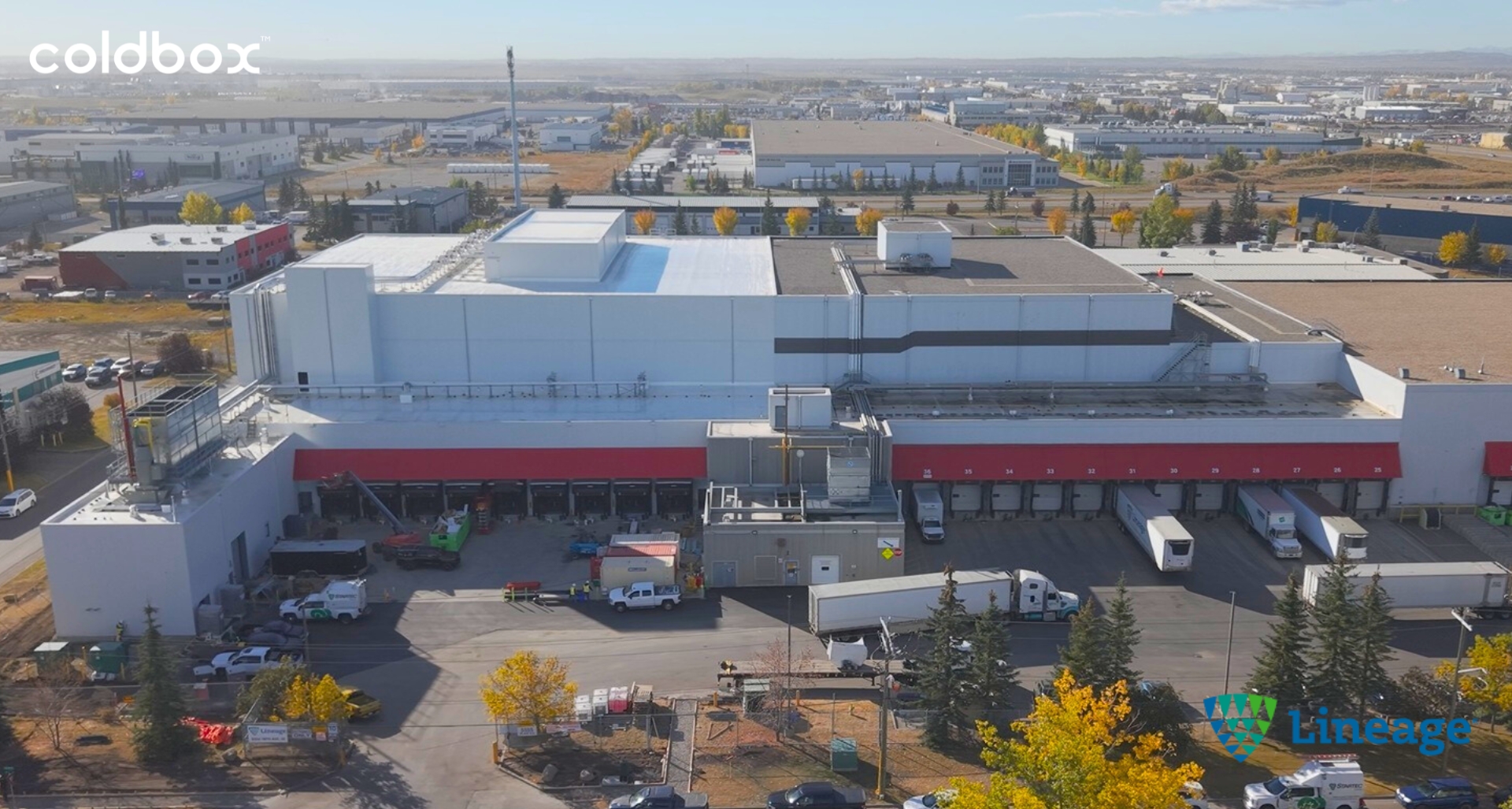
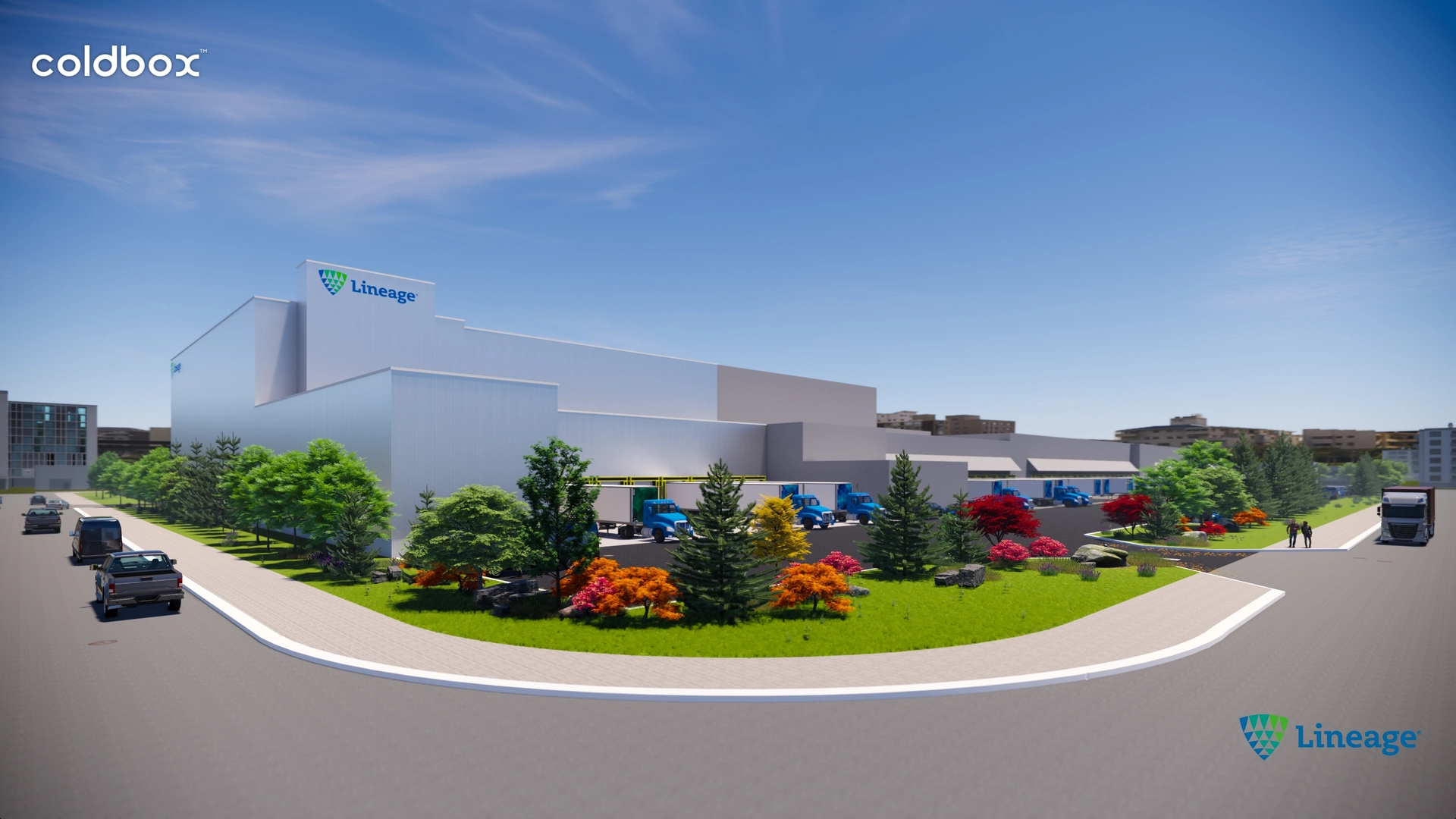
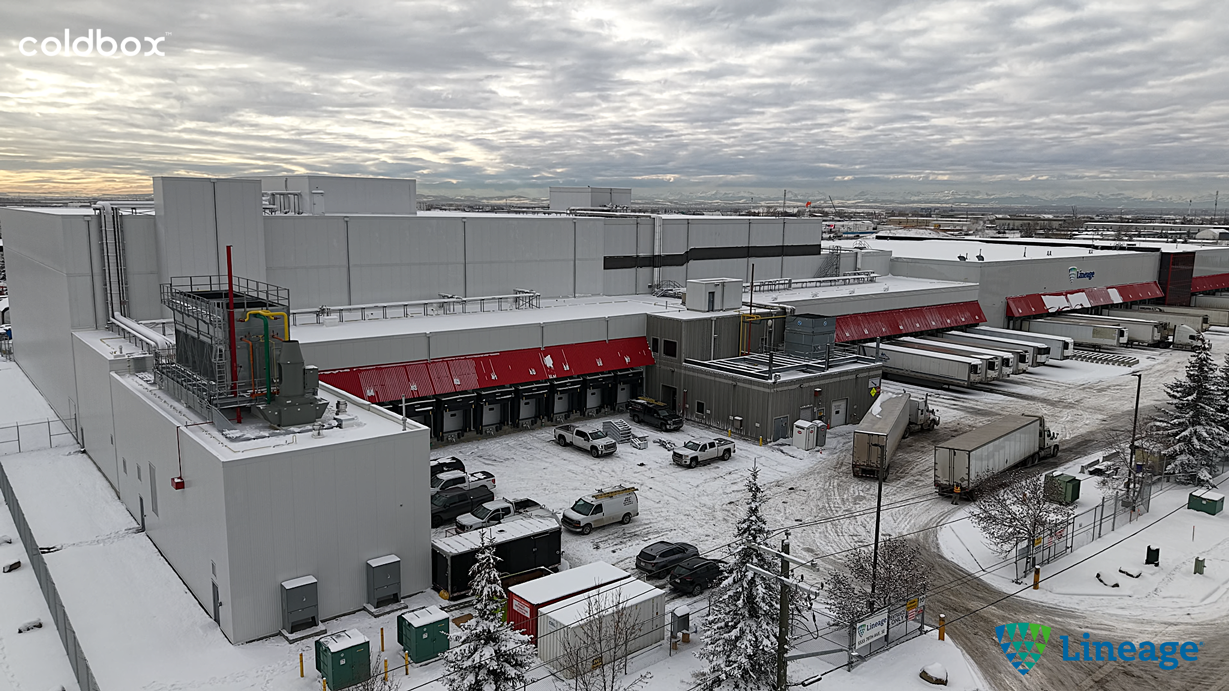
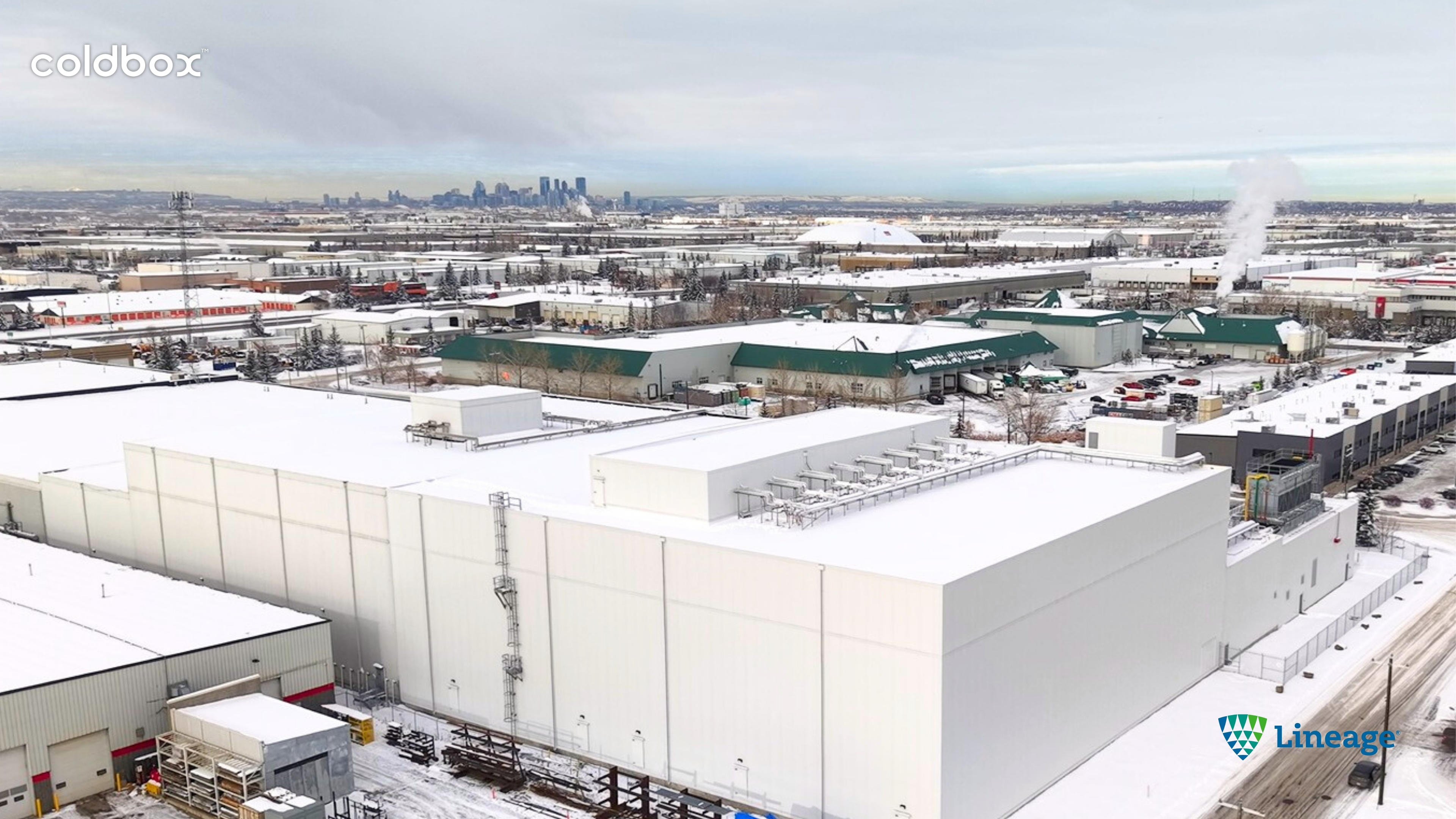
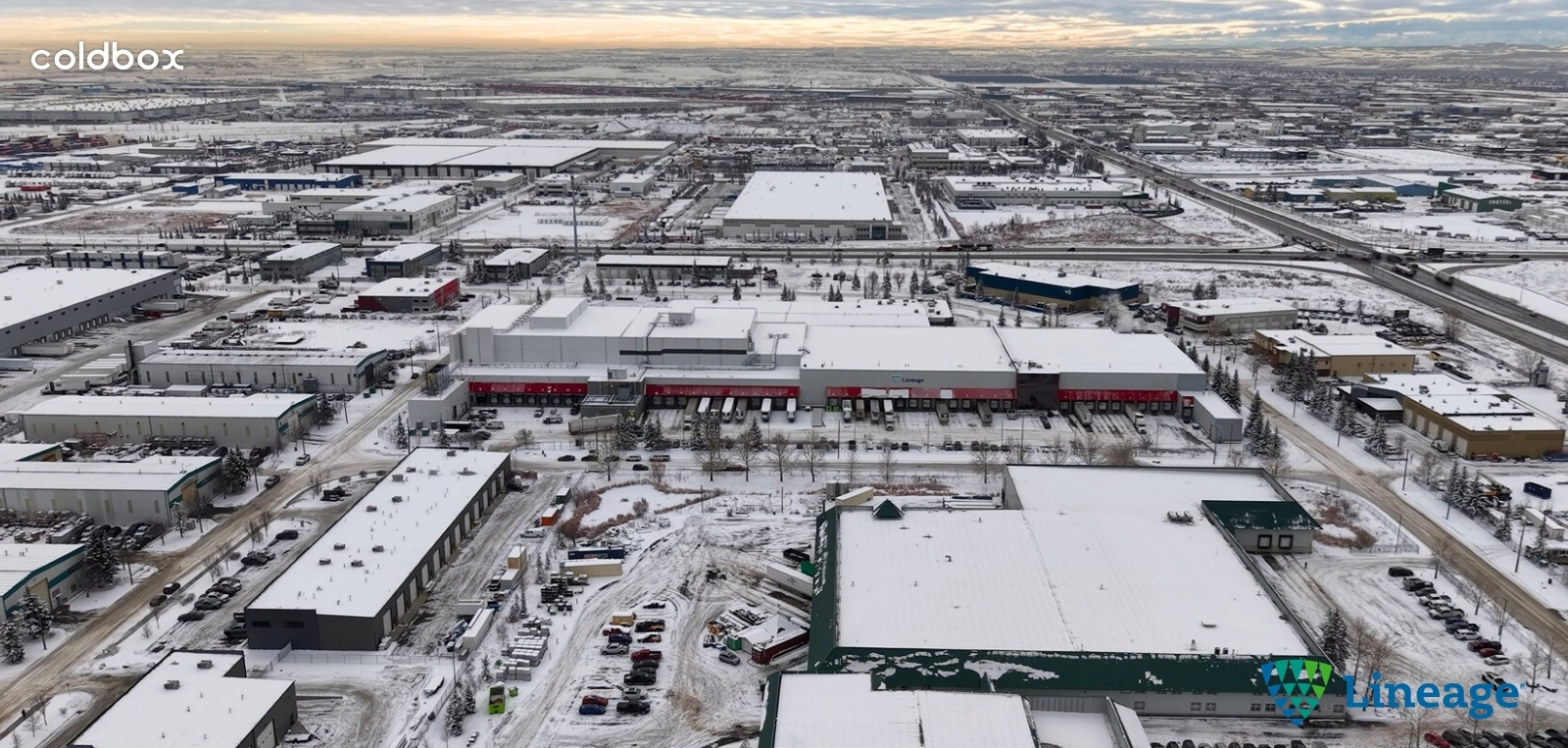
This new 50,000 square-foot development was designed and built to replace Lineage’s blast freezing operation in Calgary. The project maintained uninterrupted day-to-day operations while modernizing critical cold storage infrastructure, increasing throughput, and reducing total cost of ownership through the implementation of a Quick Freeze System.
The expansion supports Lineage’s growing demand from existing and new customers, delivering high-volume exports with consistent performance and food safety. It represents a purpose-built facility focused on improving throughput, reliability, and long-term operational performance.
Lineage is Canada’s largest temperature-controlled warehousing and logistics company, specializing in the handling of temperature-sensitive food products for protein, agricultural, and processed food producers serving both domestic and export markets.
Quick Freeze System:
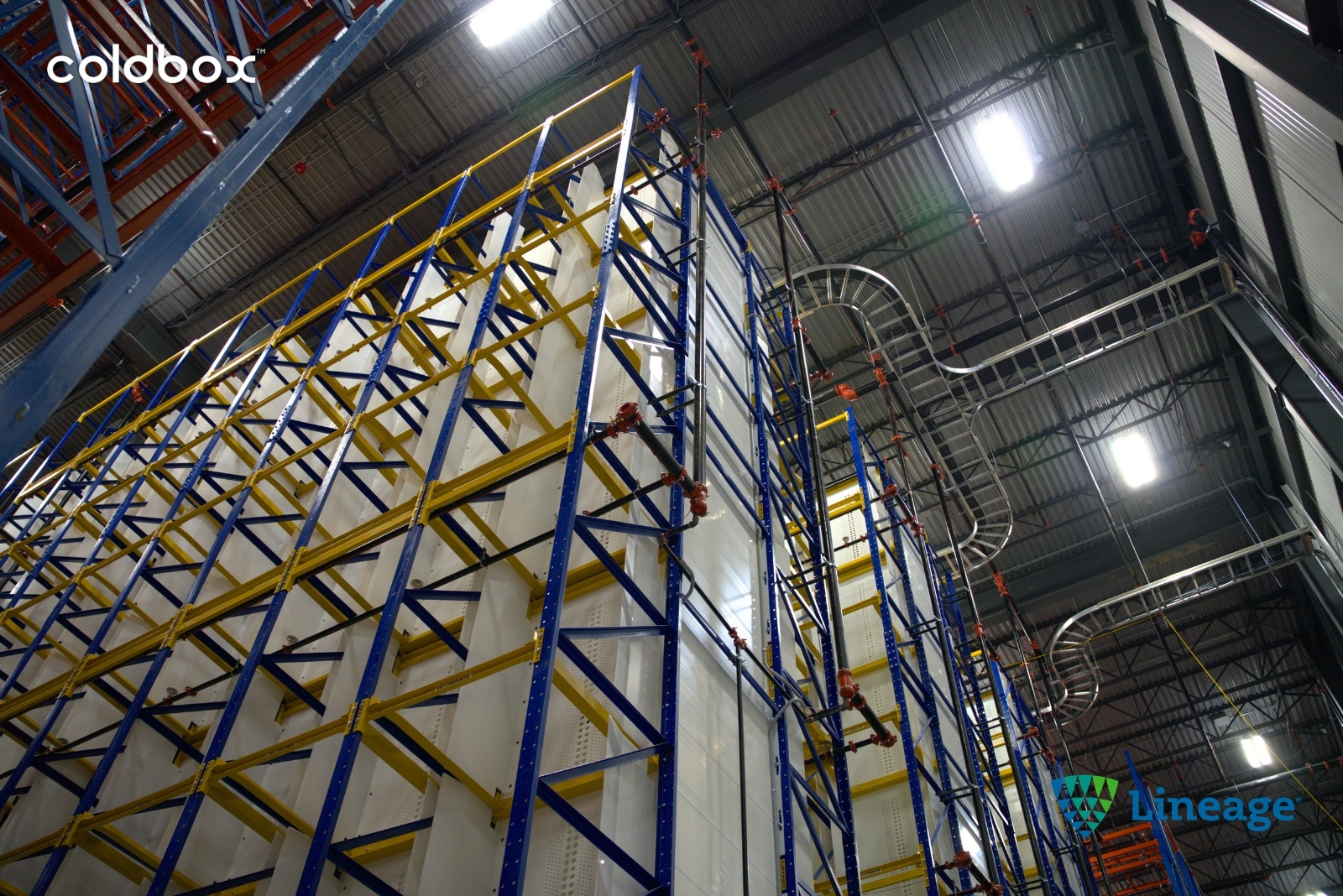
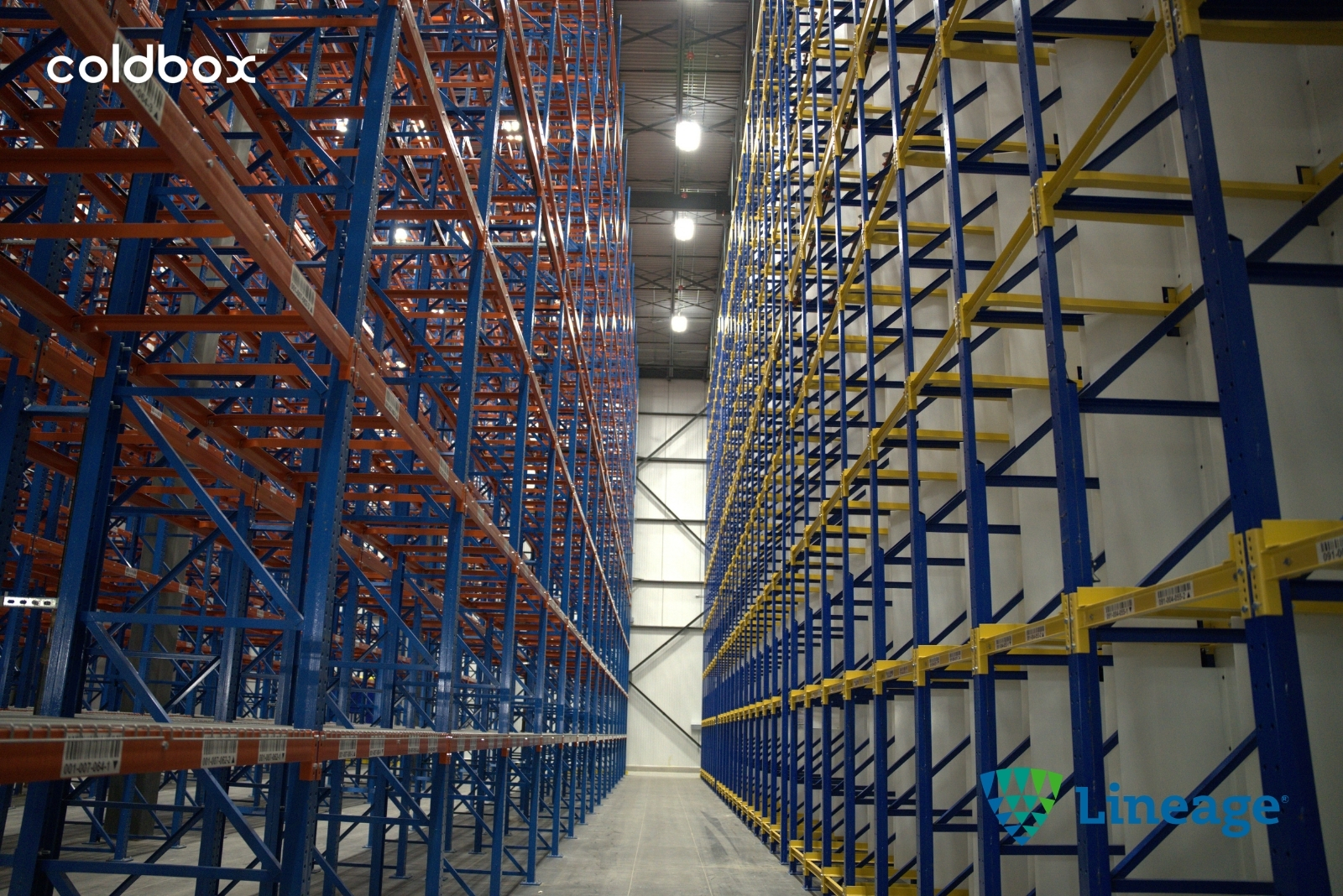
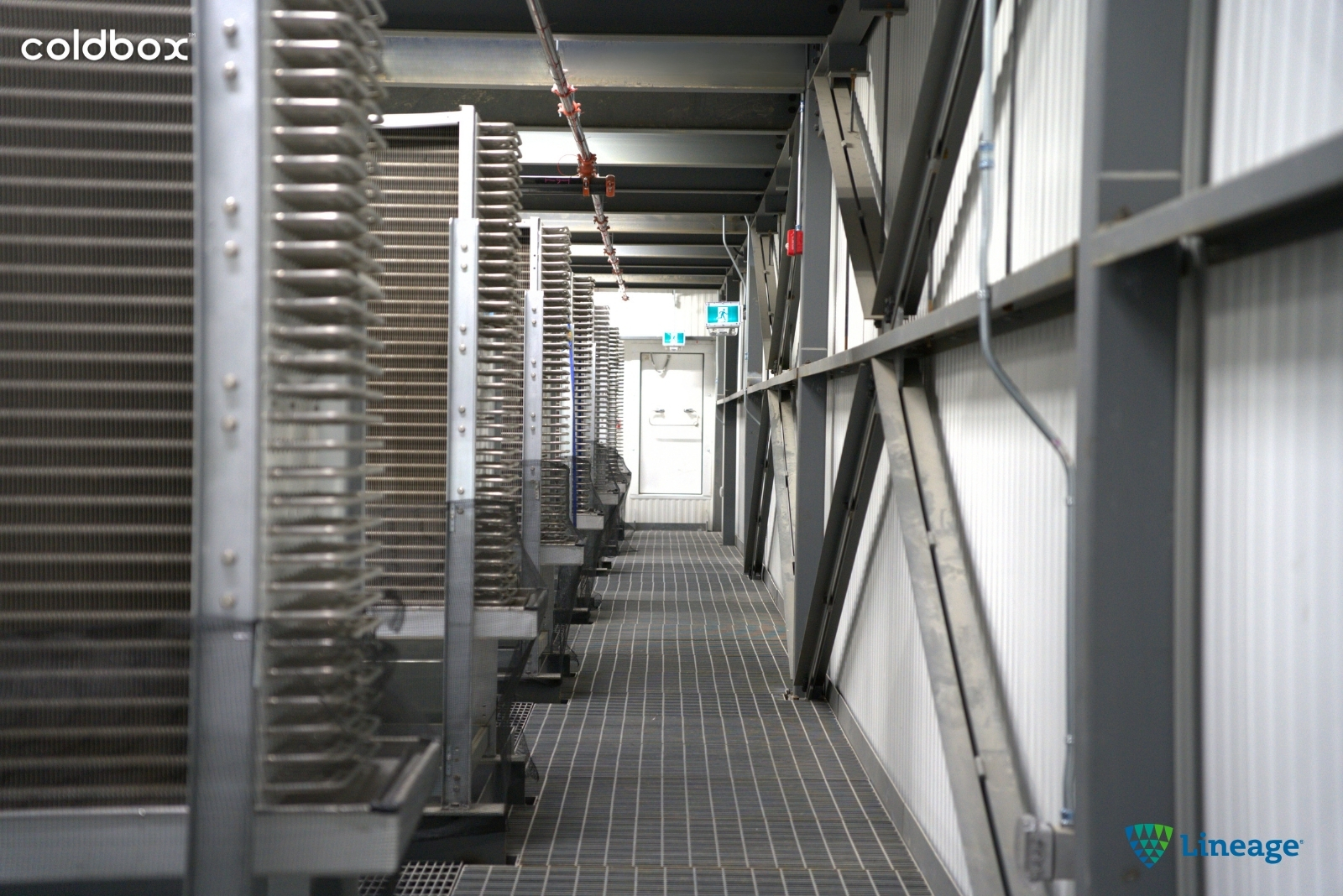
The new warehouse space adds a total of 7,600 pallet positions, including 1,536 dedicated Quick‑Freezing Rack (QFR) pallet positions. The QFR system uses high‑pressure, premium fans that create a controlled airflow vacuum, pulling cold air uniformly through the pallets rather than simply blasting air at the product. This approach ensures consistent freezing performance throughout the storage area.
The facility is engineered to support both rapid‑freezing processes and high‑volume, long‑term cold storage. The Quick Freeze System accelerates product‑freezing times, improves inventory rotation, and increases usable storage capacity. Compared to the previous conventional blast‑freezing operation, the new design enhances product flow, reduces operational constraints, and supports consistent throughput in a high‑demand cold‑storage environment.
Refrigeration System:
Designed for swing‑temperature use, the new freezer can operate between –34 °C and +4 °C, while the cold dock can be adjusted to operate between –5 °C and +4 °C.
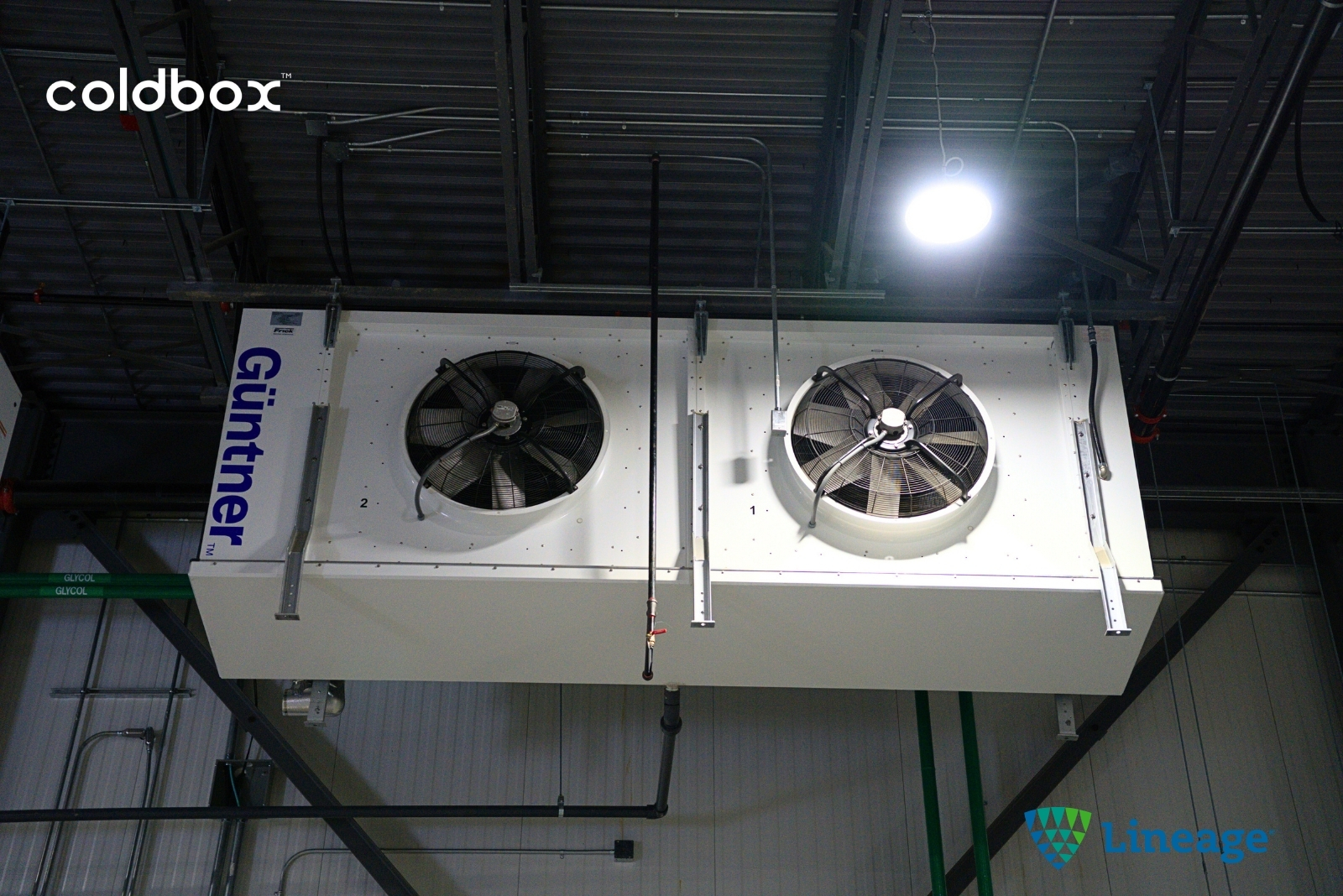
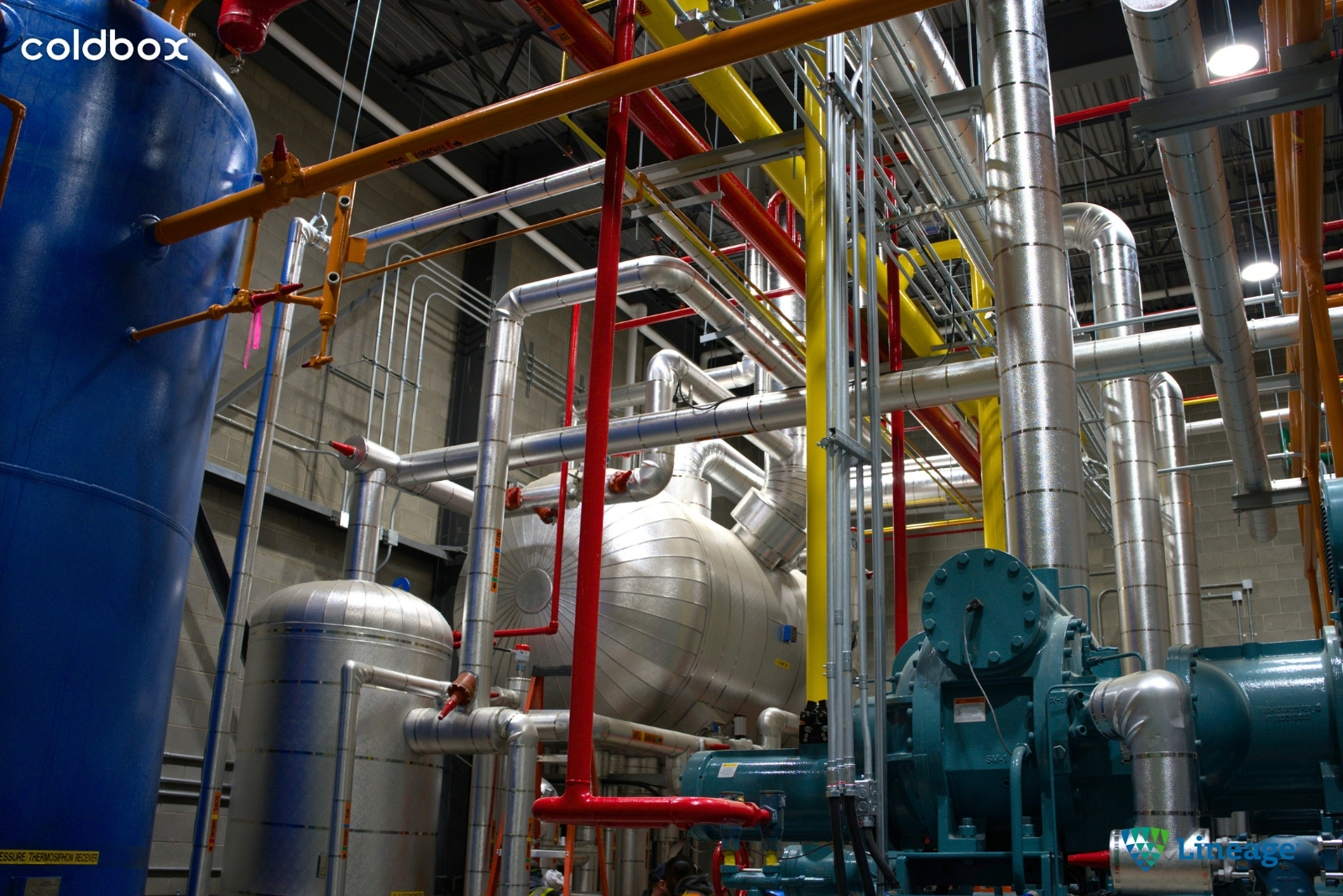
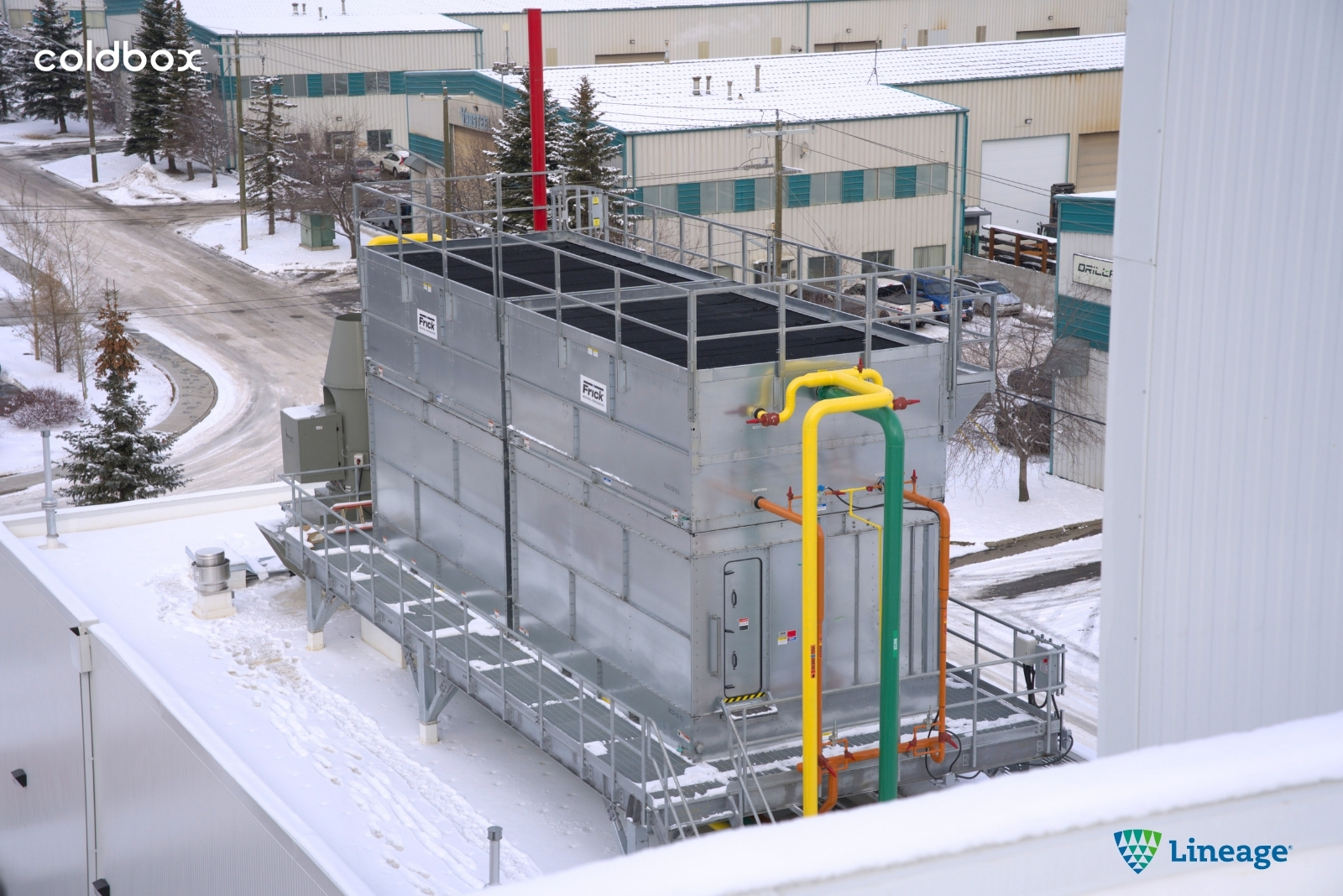
The refrigeration system features a single‑stage ammonia unit with a pump‑recirculated design. The system includes a total of 1,900 horsepower across three compressors to handle the heat load from the blast‑freezing operations, providing approximately 15 million BTU/hr. of refrigeration capacity.
This configuration provides:
- Lower complexity: Fewer components result in fewer failure points and easier troubleshooting.
- Stable performance: Ideal for applications that require consistent high load cooling without large temperature fluctuations.
- Cost efficiency: Installation and maintenance costs are generally lower than those of multi-stage systems.
Floor System:
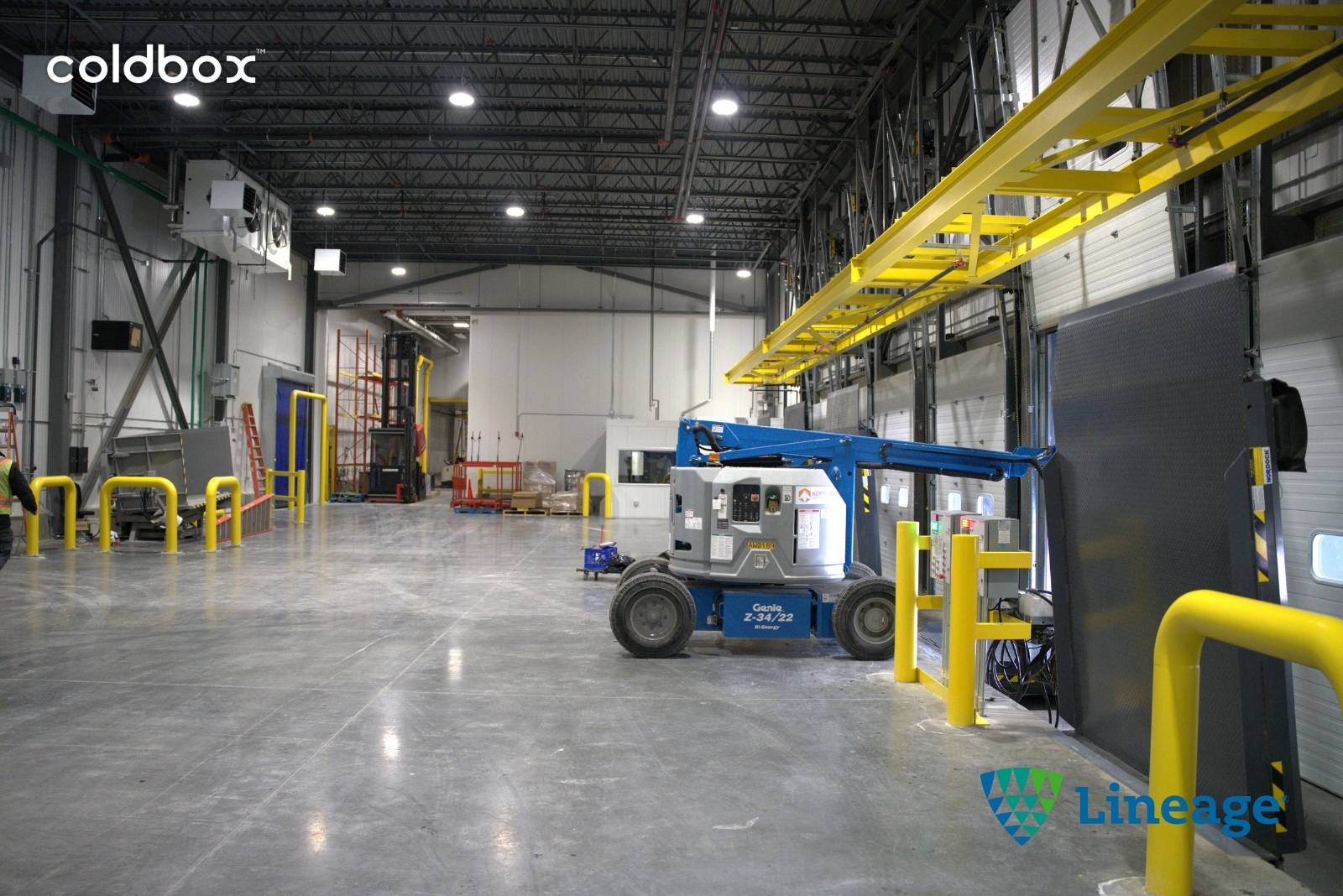
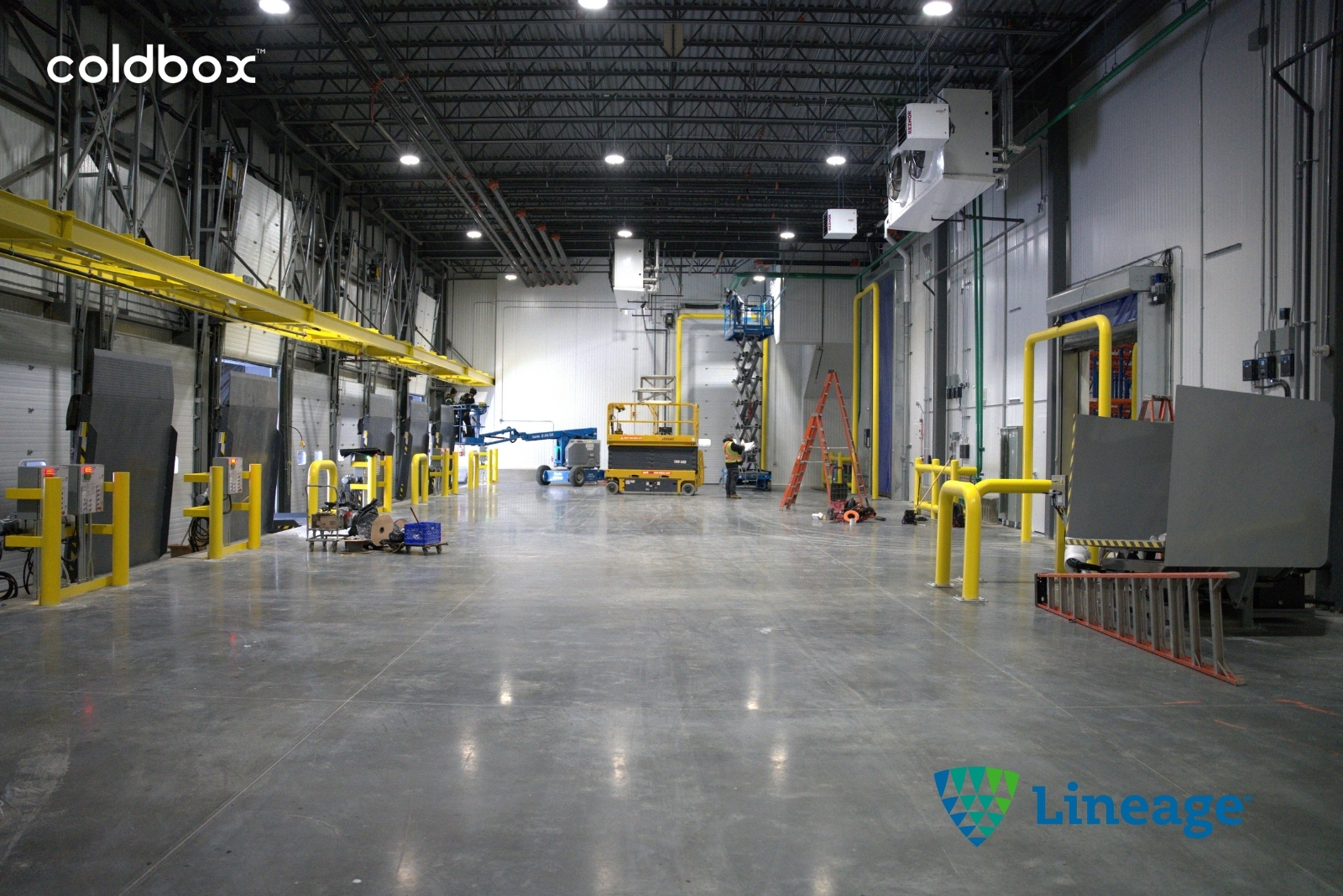
A super-flat, high-tolerance concrete slab was installed using specialized construction methods. These floors are significantly more precise than conventional slabs and were designed to support high-density racking and efficient material handling. The achieved Fmin value of 89.7 exceeded the specified requirement of 85.00 Fmin, demonstrating exceptional floor flatness and quality.
Operational Efficiency:
Because pallets can remain in the QFR positions until the pallet is needed or the QFR position is needed, the system simplifies pallet handling, reduces handling time, and contributes to lower operational costs, enabling more efficient loading and unloading operations compared to a conventional blast‑freezing cell configuration.
Technical and Operational Differentiators:
Developed in close collaboration with Lineage, the facility reduces energy intensity and operational risk using high-performance freezer envelopes, glycol pumped underfloor frost protection system, super flat floors and a high horsepower single stage ammonia refrigeration system. These design decisions align with Lineage’s ESG priorities by promoting responsible energy use across the cold chain network.
Impact of the Project:
The Calgary facility serves as a critical logistics hub for Western Canada, supported by strong transportation infrastructure and proximity to major food production regions. Its location provides access to key north–south and east–west trade corridors, including the Trans-Canada Highway, Canadian Pacific Kansas City (CPKC) rail, and international air cargo routes through Calgary International Airport.
The result is a modernized CFIA-compliant cold storage facility that strengthens Lineage’s ability to scale operations, protect product quality, and support future growth, reinforcing our client’s leadership in delivering efficient food distribution to markets and consumers.
.webp)
%20(1).png)
.png)


